The Future of Green Steel: Trends and Technologies
Navigating the industrial revolution of decarbonized metal production.
Decarbonization: A Mandatory Evolution
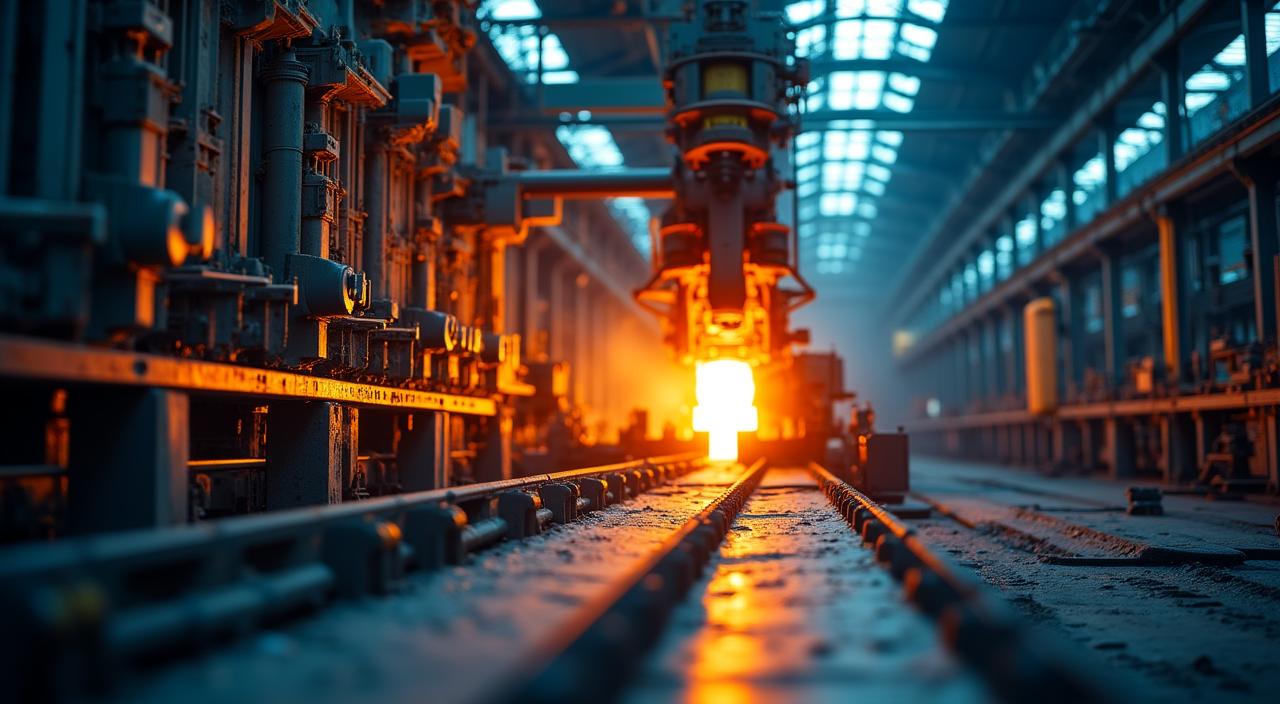
The steel industry is currently responsible for approximately 7% to 9% of global CO2 emissions. As international pressure for net-zero targets mounts, "Green Steel"—defined as steel produced using low-carbon energy sources—has shifted from a niche sustainability goal to a core strategic necessity for global producers. This transition represents the most significant shift in metallurgy since the invention of the Bessemer process.
"The transition to green steel is not just an environmental mandate; it is becoming the primary metric for competitive advantage in the global construction and automotive supply chains."
Hydrogen: The Key to Clean Production
The traditional Blast Furnace-Basic Oxygen Furnace (BF-BOF) route rely heavily on coal as a reducing agent. The future lies in Hydrogen-based Direct Reduced Iron (H2-DRI). By using green hydrogen instead of coking coal, the primary byproduct of the reduction process becomes water vapor rather than carbon dioxide.
- Electric Arc Furnaces (EAF): Integration with renewable grids to melt scrap or DRI.
- CCUS Technologies: Carbon Capture, Utilization, and Storage for existing facilities.
Policy Impact and Investment Outlook
Policies like the EU's Carbon Border Adjustment Mechanism (CBAM) are essentially putting a price on carbon that traditional producers can no longer ignore. Consequently, we are seeing a massive influx of capital. Major automakers are already signing long-term off-take agreements for carbon-free steel, ensuring that the market for premium green metals is robust and growing.

Roadmap for Traditional Producers
For established players, the roadmap to green steel requires a multi-stage approach:
- Energy Audit: Identifying immediate efficiency gains in existing operations.
- Supply Chain Securitization: Partnering with green hydrogen providers and renewable energy developers.
- Technology Pilot: Deploying EAF and DRI modules alongside legacy systems.